
The booster pump station contained four pumps – a booster pump, two main 50HP pumps and a 125HP fire pump. The booster and 50HP pumps were controlled by motor starters, while the fire pump used a soft starter. 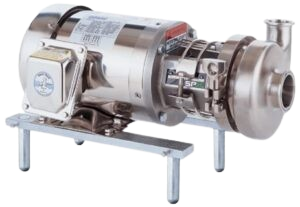
Our engineering team implemented a fully integrated upgrade solution.
- The obsolete PLC and HMI were replaced with current models compatible with existing plant equipment. This affordable step-wise upgrade reduced spare parts and software complexity.
- The 50HP motor starters were replaced with Variable Frequency Drives (VFDs). The VFDs allowed the pumps to ramp up and down smoothly, significantly reducing water hammer.
- The upgrade was planned and executed to keep the booster pumps running. This ensured uninterrupted service and stable discharge pressure throughout the installation.
This integrated approach produced immediate benefits for the water utility plant.
Operational Reliability: The booster station now operates smoothly, with no reported issues since the upgrade.
Reduced Water Hammer: The VFDs allow for gradual pump starts and stops, protecting the distribution system and extending equipment life.
Simplified Maintenance: By standardizing on equipment already used at the plant, the water district simplified maintenance and reduced the risk of future obsolescence.
System upgrades may appear overwhelming and cost prohibitive at times, but they don’t need to be. This project demonstrated the power of combining simple yet smart automation engineering upgrades with mechanical expertise. 
For this water district, the lesson was clear—upgrading before a failure doesn’t just prevent downtime; it builds a smarter and more resilient water system for the future.