
Homogenization Overview
Homogenization is the process of emulsifying two immiscible liquids (i.e. liquids that are not soluble in one another) or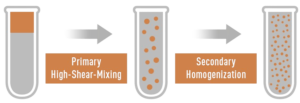
uniformly dispersing solid particles throughout a liquid. The benefits include improved product stability, uniformity, consistency, viscosity, shelf life, improved flavor and color. It has become a standard industrial process in food and beverage, chemical, pharmaceutical and personal care industries. The process of homogenization was invented and patented by Auguste Gaulin in 1899 when he described a process for homogenizing milk. Gaulin’s machine, a three-piston thruster outfitted with tiny filtration tubes, was shown at the World Fair in Paris in 1900. Since then, his name has become synonymous with homogenization. Basic emulsion formation involves adding both a surfactant and mechanical energy to join the two phases. The first step or primary homogenization involves adding surfactants or emulsifiers. Emulsions, by nature, are inherently unstable. Over time, all emulsions will eventually coalesce or “break”. Surfactants work by facilitating the creation of the emulsion and help slow down its eventual break. The resulting particle size of the globules can range in size from 0.1 to 10 microns. Emulsions change their size distribution over time, shifting to larger sizes.
The stability of an emulsion is determined by several factors including the choice of emulsifier, the phase-volume ratio, the method of manufacturing the emulsion and the temperature in both processing and storage. The order of addition, the rate of addition and the energy of the system can have a large impact on the final properties of the emulsion. Ideally, the lipophilic (oil-loving) surfactant should be dispersed in the oil phase. Finer emulsions result when the hydrophilic (water-loving) surfactant is also dispersed in the oil phase. When combining oil and water, the addition of water to the oil phase produces the finest emulsions. If the oil is added to the water phase, more energy is required to produce small droplets. A significant improvement in the emulsion can usually be seen by adding the water phase at a slower rate. Most emulsions are sensitive to the temperature of the system. Generally heat is added to the system since warm oil/fat molecules disintegrate more easily than cold ones. Micro-emulsions are a dispersion of water, oil and surfactant with particle sizes ranging from 1-100 nm. They are typically characterized as a more stable emulsion and are generally clear in appearance. They tend to have a higher concentration of surfactant relative to the oil content. These are commonly used in the pharmaceutical and personal care industries.
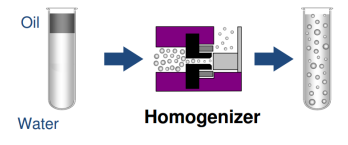
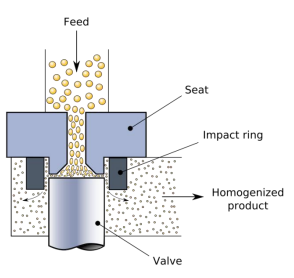
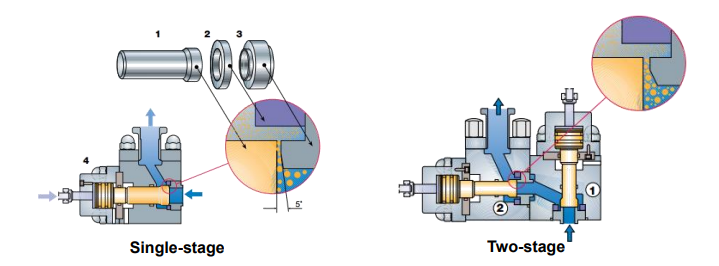
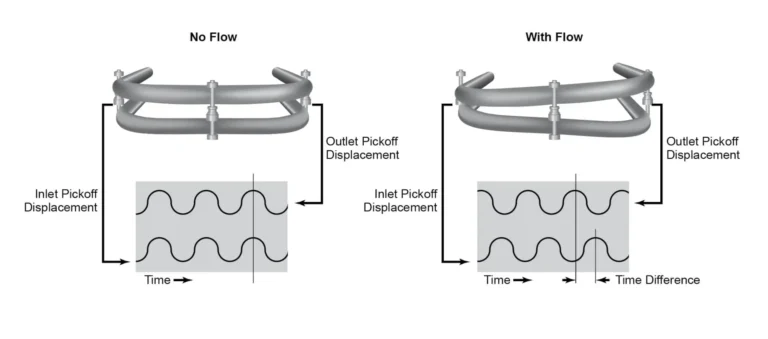
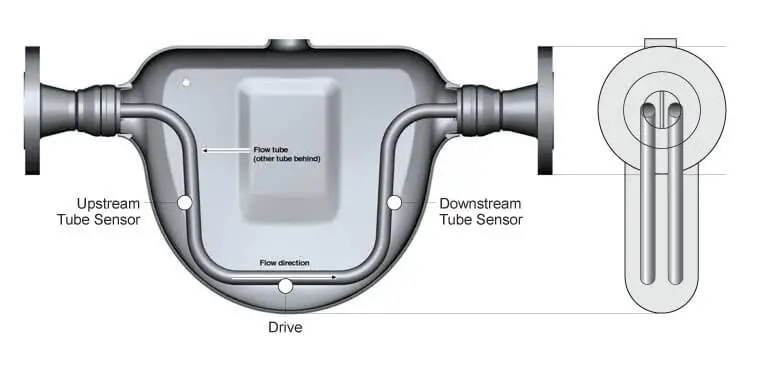
 spins proportionally faster.
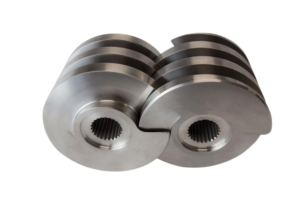
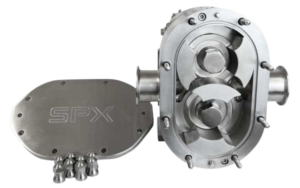
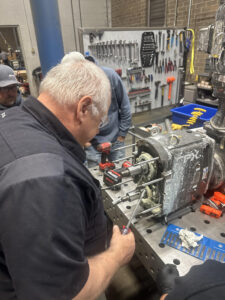 At first glance, something felt wrong. As the crate was opened, Detective Newell leaned in, scanning the evidence. No covers. No bodies. No rotors. Just gear cases—bare, incomplete, and unwilling to tell their story.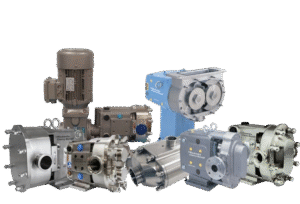
 Serial numbers exist for a reason—components are machined to tight tolerances and tested as a set. Ignoring that fact may keep a pump running temporarily, but it significantly increases the risk of failure.
 and CIP solution. As seen in the picture, their old submersible mixer and motors were struggling in this harsh environment. Therefore, Plant associates were servicing and often replacing the motors every few months. Our M.G. Newell sales associate recommended a motor from Stainless Motors, Inc (SMI). SMI is a US-based manufacturer of stainless-steel wash-down motors, gear reducers and
  In our busy day to day operations, we sometimes lose sight of the time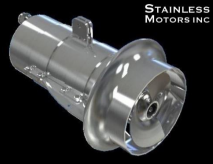
 mechanical force and converts the energy of a force into a digital or analog measurable output. The force applied to the load is proportional to the strength of the output. A load cell can use different methods to translate force into a weight measurement. This paper will cover designs according to the type of output signal generated – hydraulic, pneumatic and strain gauge. The most common load cell used in industrial weighing are strain gauge load cells.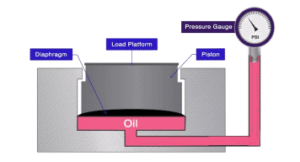
 heavy the
 Determining which load cell your